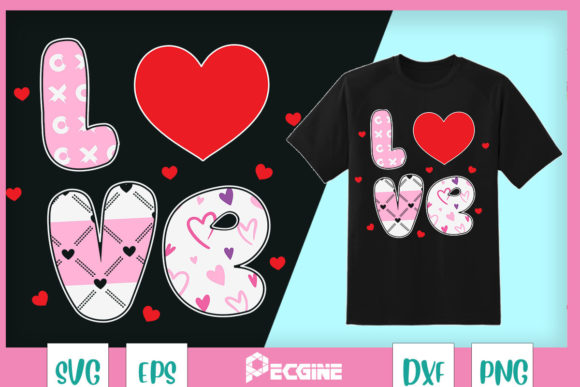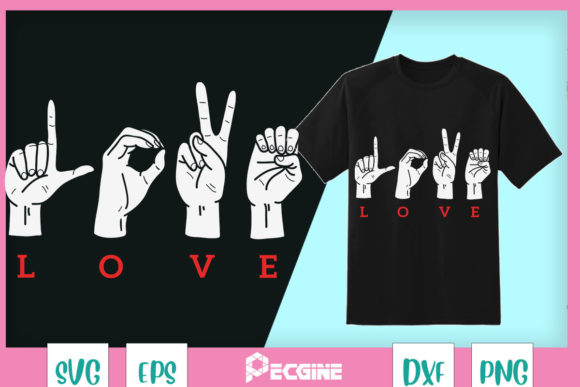
Love Letters Made by Hand
A Designer’s First Glance: Soft, Intimate, and Quietly Confident
When I opened Love Letters Made by Hand for the first time, I didn’t see a “design”—I saw handwriting. Not perfect calligraphy, but something warmer: ink slightly blurred at the edges, letters leaning just enough to feel human, spacing that breathes instead of crowds. It’s not flashy. It doesn’t shout. But it holds attention—especially on a handmade tote bag or a baby onesie where subtlety reads as sincerity. As a designer who’s stitched hundreds of client projects, I immediately pictured this on a cream linen tea towel for a bridal shower gift—or on the chest of a charcoal sweatshirt for a small-batch boutique launch. Its quiet confidence makes it versatile, but not universal. It earns its place.
Where It Shines: Real Projects, Real Reactions
I tested Love Letters Made by Hand across three real-use scenarios: a custom embroidered cotton apron for a local bakery owner, a set of nursery pillow covers for a new mom (lightweight cotton twill), and a limited-run batch of unisex crewneck sweatshirts for an Etsy shop. In every case, customers responded with the same phrase: “It feels like it was written just for me.” That emotional resonance is rare—and valuable.
- Tote bags & tea towels: The design’s gentle curves and open letterforms translate beautifully into satin stitch outlines and soft fill stitches. No crowding, no visual fatigue—even after repeated washing.
- Baby items & nursery decor: On light fabrics, the delicate line weight reads clearly without needing heavy stabilizer. It avoids the “cutesy overload” many baby embroidery files fall into—making it ideal for gender-neutral gifting.
- Sweatshirts & custom apparel: Paired with a medium-weight tear-away + cut-away hybrid stabilizer, it stitched cleanly on midweight fleece. The letter spacing stays legible even when scaled to 3.5" wide—a sweet spot for chest placement.
Where to Pause: Practical Limits You’ll Feel at the Hoop
This isn’t a one-size-fits-all embroidery file. Its charm lives in its hand-drawn imperfection—but that also means certain contexts demand extra care:
- Small hoop sizes (under 4"): The natural flow of the phrase requires breathing room. At under 3", the lowercase “g” and “y” tails risk stitching too close to the edge—test before committing.
- Textured or stretchy fabrics: On terry cloth towels or ribbed knit tees, the fine interior details (like the subtle crossbar on the “t”) can blur. A light iron-on stabilizer helps—but don’t skip the scrap test.
- Dark fabric backgrounds: The design relies on contrast, not boldness. On navy or black, avoid pale thread—opt for charcoal gray or deep burgundy instead of white for richer depth.
- Curved surfaces (caps, curved seams): The horizontal layout doesn’t wrap well. Save it for flat panels—fronts, backs, or center pockets—not crown embroidery.
What It Adds (and Doesn’t Add) to Your Finished Product
Love Letters Made by Hand quietly elevates perceived value. It signals care—not just in execution, but in curation. When stitched onto a kitchen towel, it doesn’t read as “graphic” or “T-Shirt Designs”—it reads as heirloom-ready. That shifts how buyers engage: they linger longer, imagine giving it, picture it in their home. For Etsy sellers and small shop owners, that translates directly to higher conversion and fewer returns.
But it won’t fix weak branding. If your shop leans bold, geometric, or minimalist, this design may feel tonally dissonant—unless intentionally juxtaposed (e.g., pairing it with clean sans-serif packaging). It also doesn’t carry built-in versatility like a standalone monogram or icon—it’s narrative-first. Use it where story matters more than scalability.
Designer Notes You’ll Actually Use
Before stitching your first Love Letters Made by Hand project, do these five things:
- Test on scrap fabric—not just the same fiber, but the same weight and finish (e.g., pre-washed, garment-dyed cotton).
- Check thread color contrast in natural light *and* under warm bulb lighting—some off-whites vanish on cream fabric indoors.
- Review stitch density in your embroidery software. If fill areas look overly dense (especially in loops like “o” or “e”), reduce density by 5–8% for breathable wearables.
- Confirm hoop size compatibility—the design fits comfortably in a 5"x7" hoop, but verify your machine’s max width if using older or compact models.
- Verify licensing before selling finished items or bundling digitally. Since Love Letters Made by Hand includes SVG, PNG, DXF, and EPS files, confirm whether commercial use is granted—many Graphics files restrict resale of digital assets, even if physical products are allowed.
Final Thought: It’s Not Just a Design—It’s a Tone Setter
In a market flooded with scalable vectors and trendy fonts, Love Letters Made by Hand stands out by refusing to be efficient. It asks for space, intention, and context—and rewards you with authenticity. It’s not the loudest option in your embroidery library, but it’s often the one that gets remembered. Whether you’re stitching personalized gifts, building a craft business, or refining your brand’s visual voice, this design works best when treated like a quiet collaborator—not just another file to load and run. Use it where warmth matters more than wow. And always, always test first.